
Once the olives have been fluffed and picked and put into containers, the leaves are removed. This used to be done with what I would call mechanical de-puller machines, nowadays there are sophisticated machines powered by electricity. Then they have to be taken to the moulding plant as soon as possible. The maximum storage time for the olives is 2 days, but our neighbours take them there the next day.
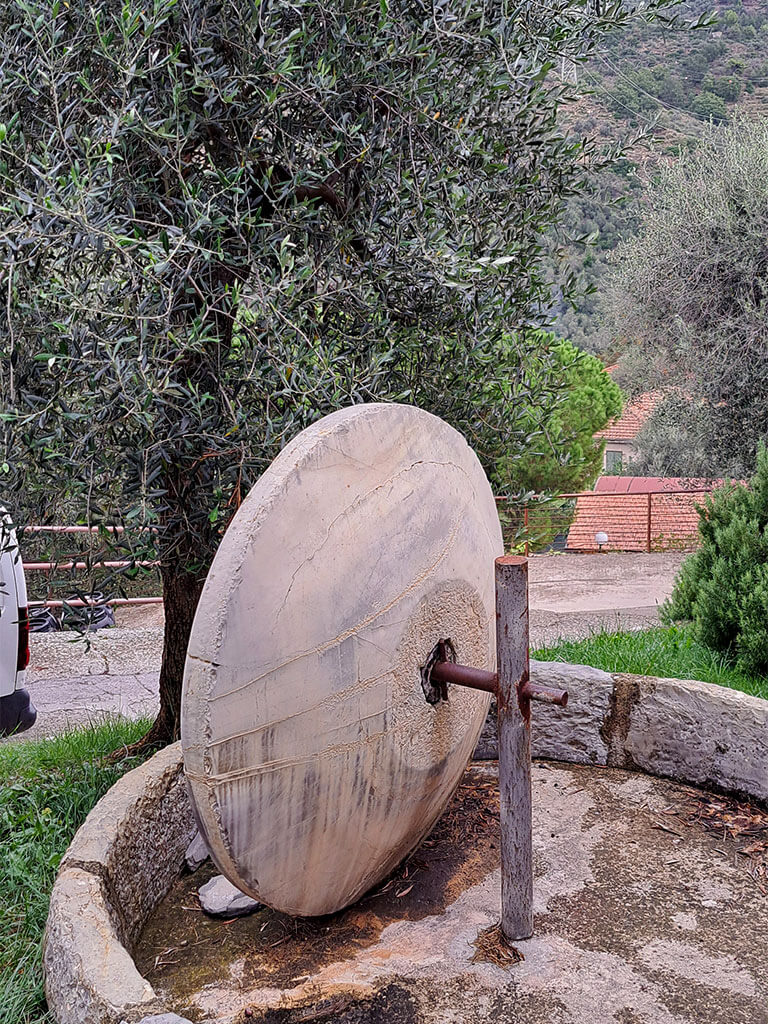
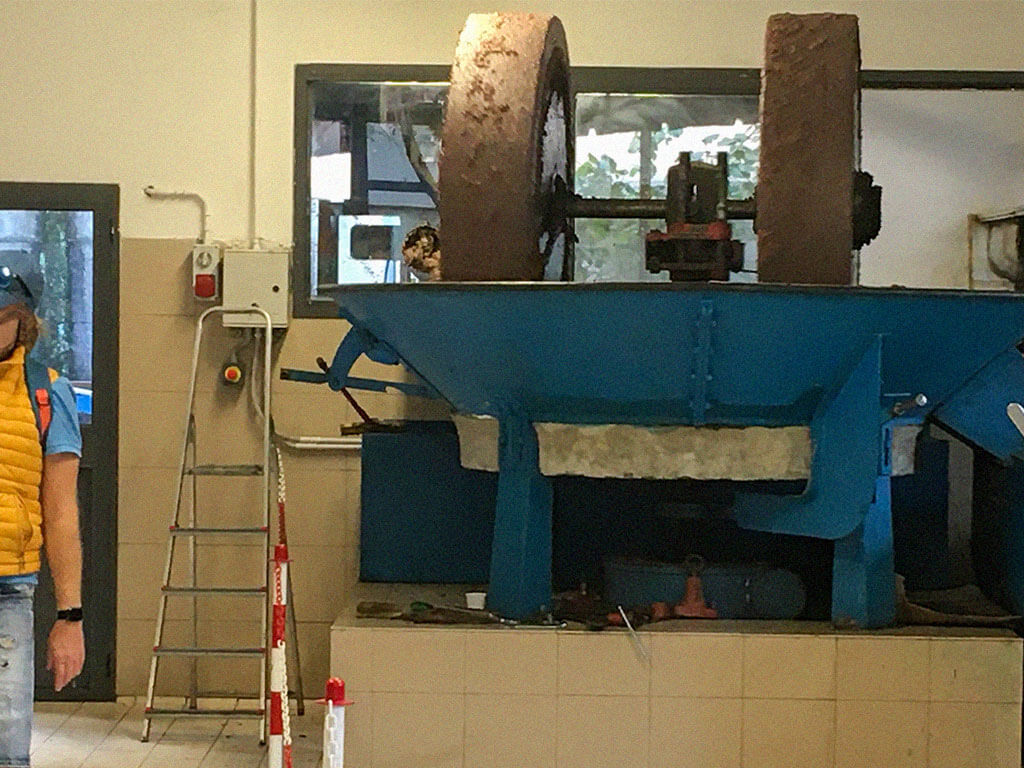
And the mill is actually a mill in which the pips are separated, the olives are pressed and the waste tailings are separated, and then the oil is squeezed out by pressure or centrifugation. Where we went to see in person, the pressing is done using a traditional stone mill to increase the sweetness of the oils. This is the huge stone wheel that they have, among other things, on display in a prominent place in almost every village around us as a souvenir. Otherwise, more modern disc mills are also used, which in turn increase the aroma, spiciness and bitterness of the oil.

Slick-on-parking
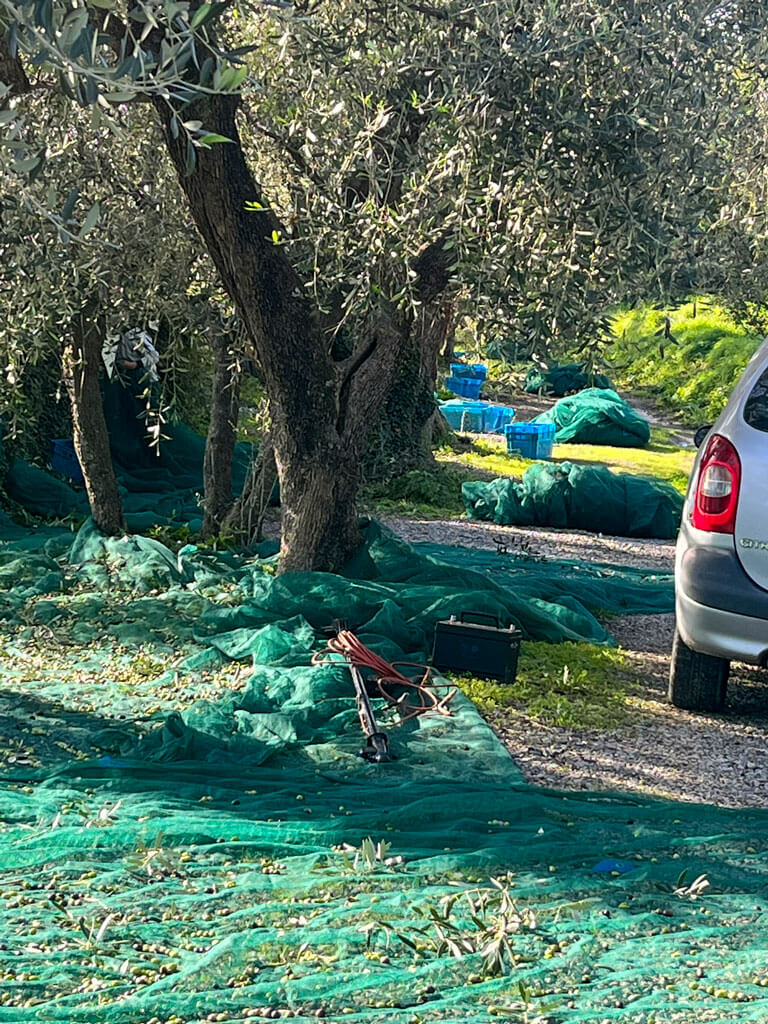
I’ll-go-to-frantoia
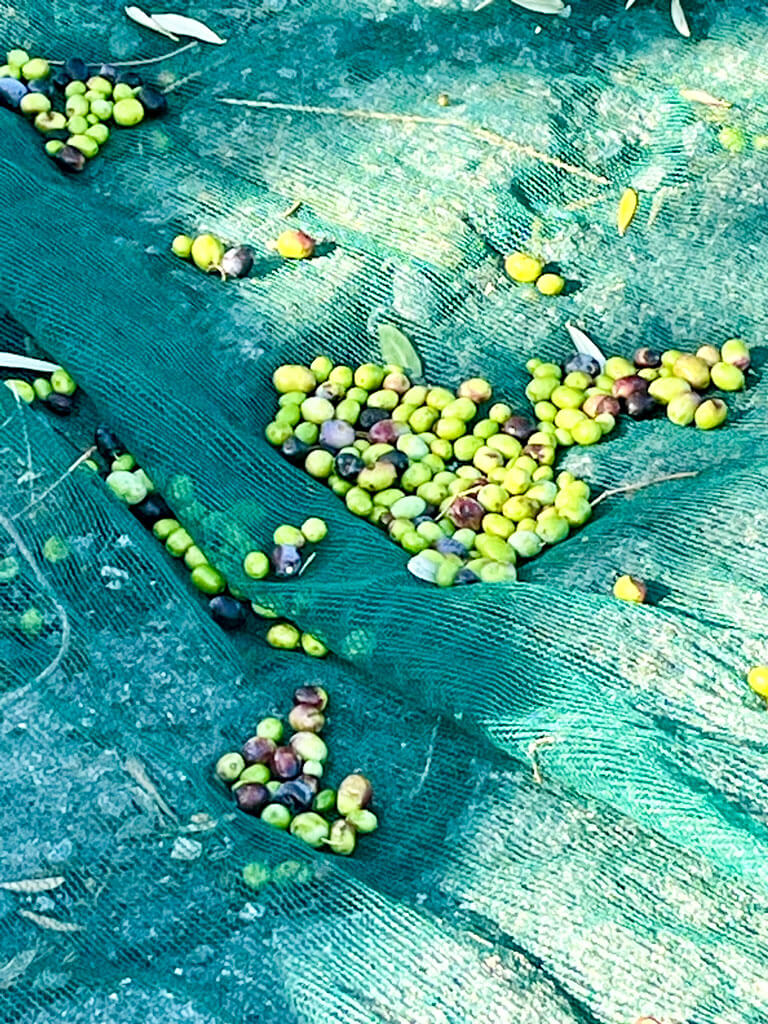
Ready-to-press
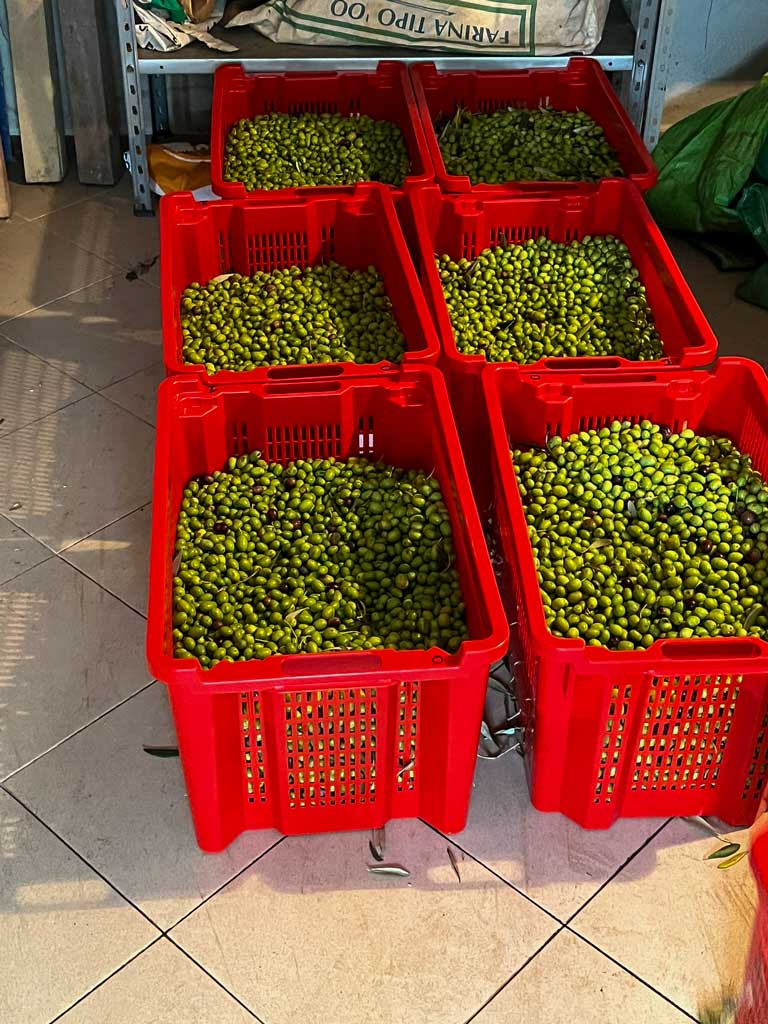
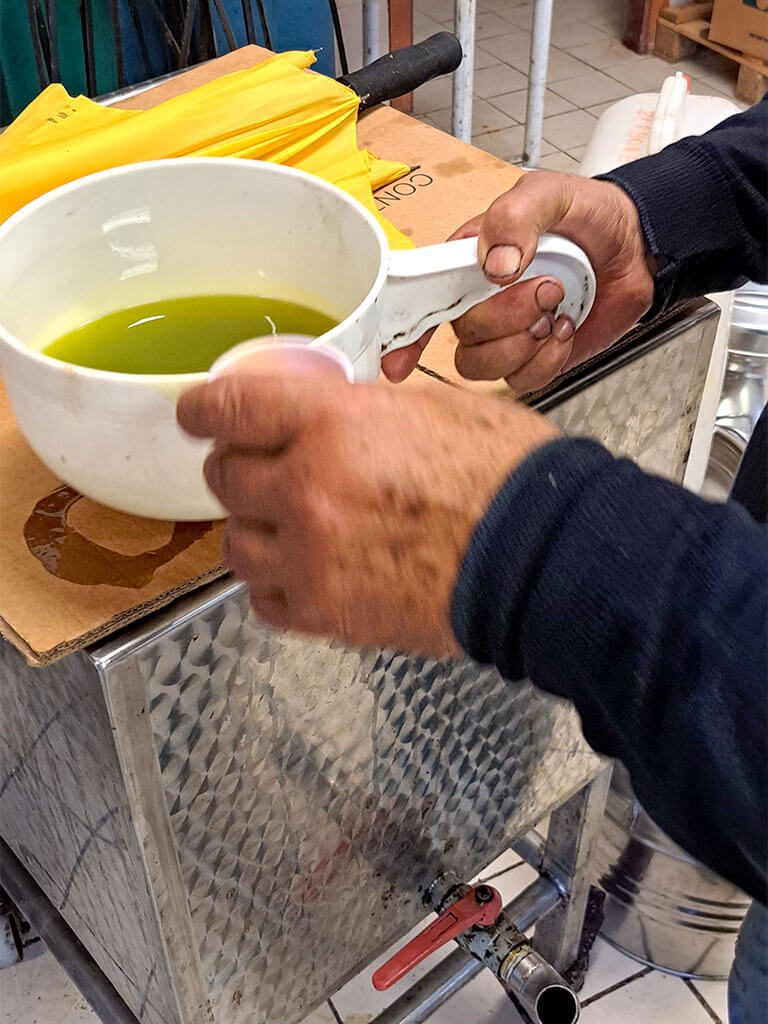
The oil is suitable for consumption after a few days of sitting in stainless steel tanks and preservation.
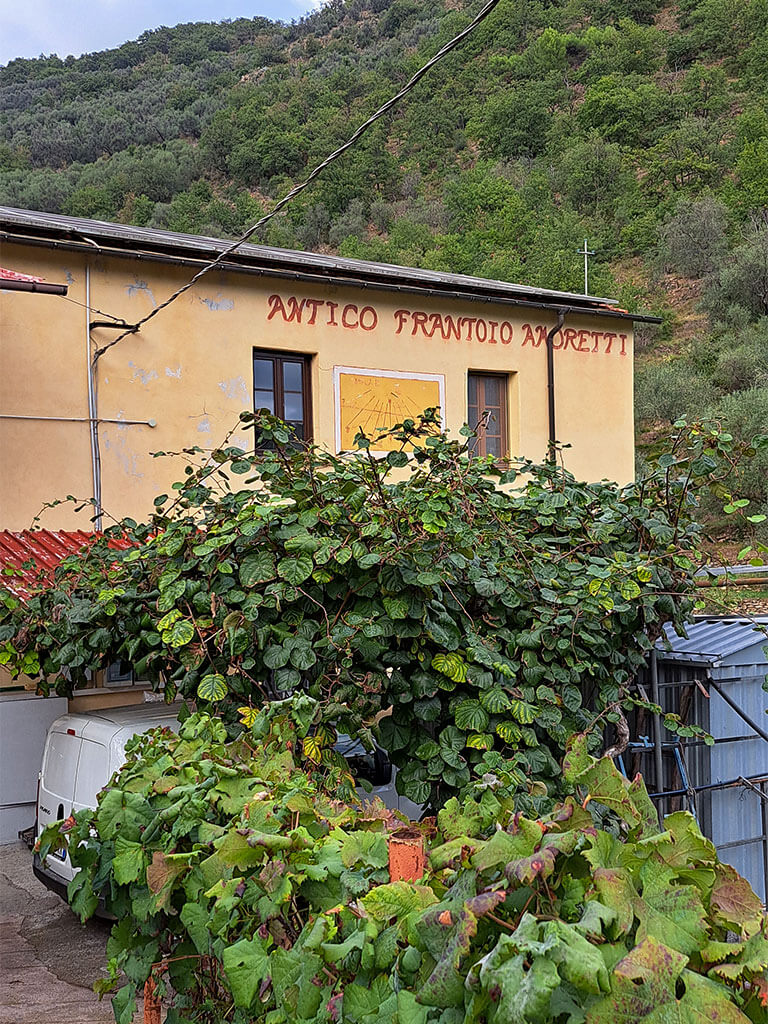
All of our neighbours, with whom we tasted and during the reportage in the mill (frantoio), warned us that at the beginning the oil is very strong and even pungent, only after a certain period it acquires a sweet and balanced taste without unwanted acidity.
We found it delicious right away and didn’t feel any too much tang 😊.
Probably because the local oil is actually a lot of quality. Plus, the fresher it is, the more beneficial substances it contains, it’s like fruit. Immediately after squeezing, the oil has a green colour (and we like it 😊) and only after a few days it gets its characteristic golden colour. If you consume oil with the DOP label, i.e. Protected Designation of Origin, it means that it is oil obtained exclusively by these traditional methods using only varieties from the protected area and it is of course the 1st pressing, unlike “ordinary” olive oils from supermarkets for example, which are mostly from olives mixed in different ways and even from several countries. But not from Italian supermarkets, where almost all the olive oils on offer are labelled DOP, in our case in Liguria, of course, D.O.P. Riviera Ligure and, as we have been taught by our other neighbours who grow olives on a large scale, with the addition of ‘Riviera dei Fiori’. Yes that’s us, the Riviera of Flowers 😊. No the Italians, especially in our country would not just buy some olive oils 😊.
Historically-lis
Nov
Tasting room-prime-from-the-press
As with the winemakers, there are olive oil tastings at the producers and even a trade fair at Imperia in November, which is packed!
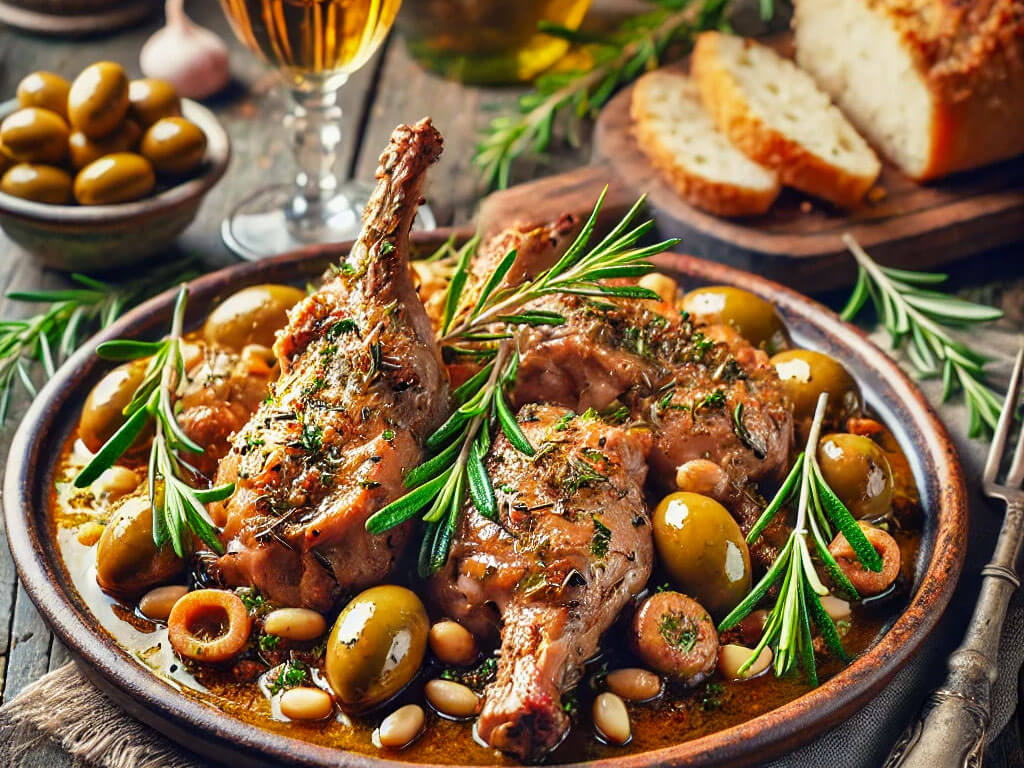
Italy is the 2nd largest producer of olives in the world and its cuisine cannot do without olive oil, but of course you know that. Here in Liguria, apart from oil, olives are also widely consumed in fresh or pickled form. Pickled in brine or oil, they are served as a snack with every drink and before a meal ordered with a piece of bread and typical breadsticks. Fresh or pickled, they are also added to many dishes. For example, with rabbit, our favourite “coniglio ala ligure” is a typical local speciality. It tastes great and is accompanied by white bread.
And here is the recipe: Ligurian rabbit stew
Ingredients:
For 1 rabbit 1 onion, 2 cloves of garlic, 1 glass of red wine, 6 sprigs of thyme, 2 sprigs of rosemary, 2 bean leaves, 100gr pickled olives (preferably taggiascche of course 😊), 20 gr pine nuts, olive oil, salt, pepper
First, cut the rabbit into pieces. Put a little olive oil in a large pot and start sautéing the chopped onion with the chopped garlic. Once the garlic and onions have wilted, add the rabbit along with the sprigs of thyme and bay leaves. Season lightly with salt and roast over a high heat for a few minutes to ensure all the meat is well coated.
Pour the wine over the rabbit and let the alcohol evaporate. Meanwhile, finely chop the rosemary leaves.
When the alcohol has evaporated, add the olives in brine, pine nuts, chopped rosemary and a pinch of pepper, stir and cook the rabbit Ligurian style over a low heat, covered, for about an hour, stirring occasionally until the meat separates easily from the bone. Add salt to taste and potatoes are fine as a side dish, but in our favourite restaurant they just serve it with white bread. Bon Appetit😊
Frantoio-Amoretti
Frantoio-Malafronte
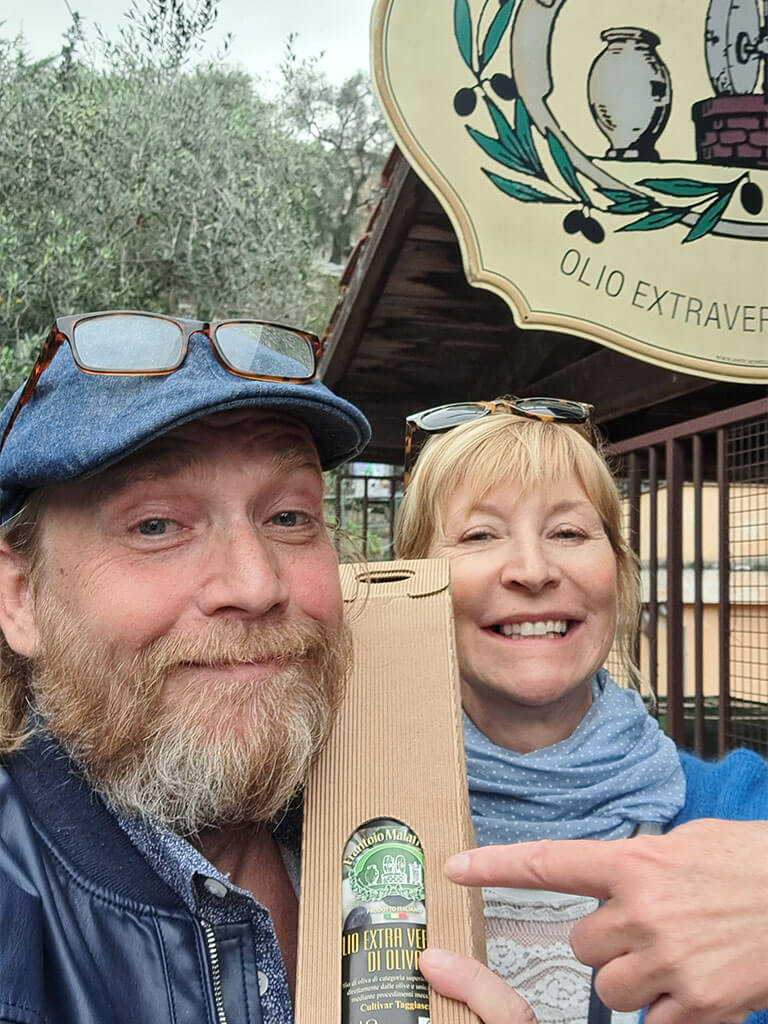
Oil-Malafronte
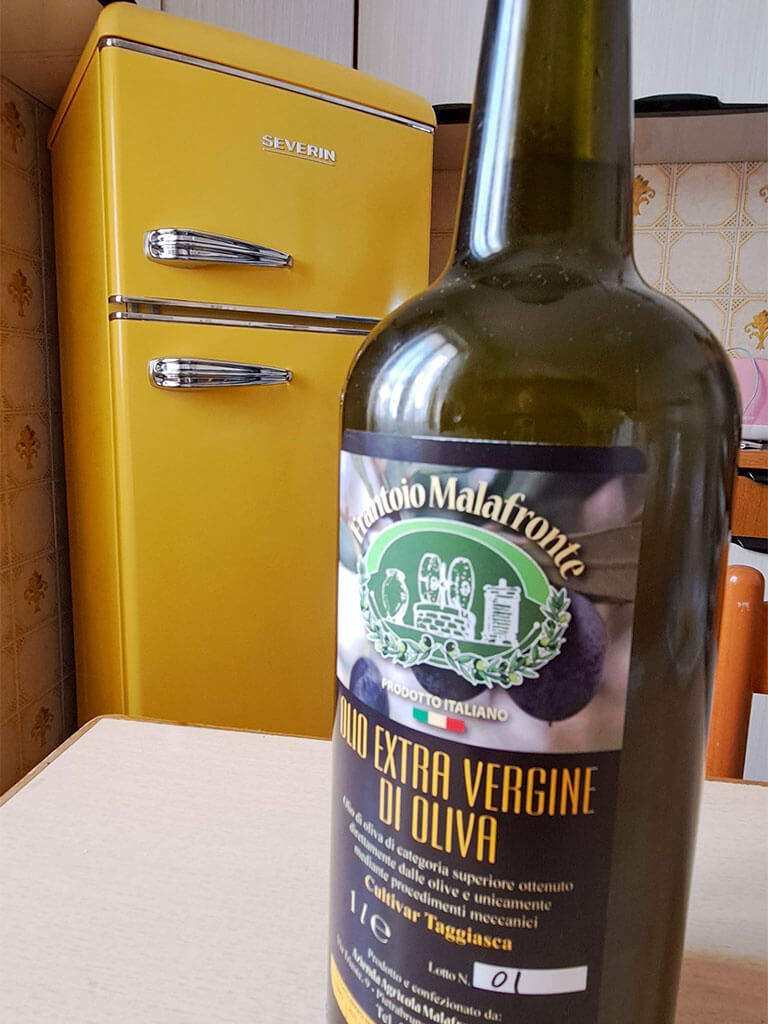
And more information about the price, without the DOP marking, but nevertheless the oil from the local monocultivar oliva taggiasca can be bought in the store for about 16,50 euros per 1 liter. As for the DOP olive oil Riviera Ligure, there ½ litre starts at 19,50 euro. Not cheap, eh?
Well we started thinking about buying our own little ulivetta, olive grove 😊 and making our own oil. Like Caroll Drinkwater who bought an abandoned olive farm in Provence and writes beautifully about it in my favourite book, The Olive Farm. Her other books are also about olives, but unfortunately have not been translated into English, however Megabooks, for those who can read English, sell them in the original.