
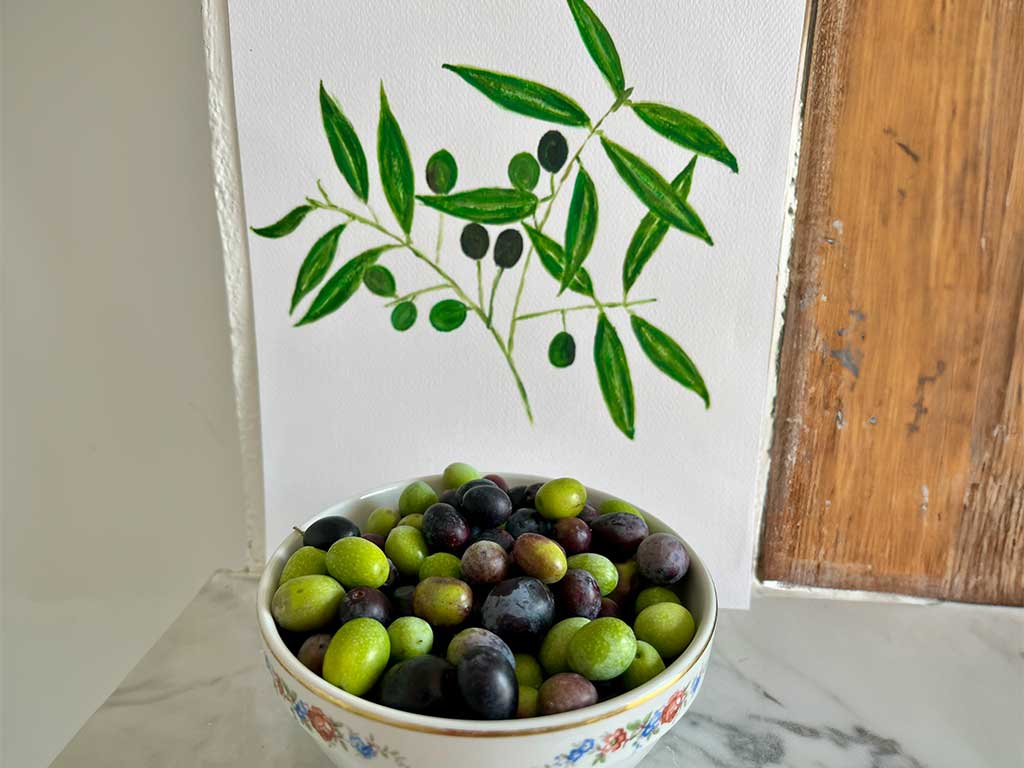
Shaken, not stirred – who doesn’t know James Bond’s favourite line when he’s having a Martini Dry Cocktail. And what’s not to be missed? Olive, of course.
Oval, small, salty carrion, which is added to dry martinis, salads, but we also eat them as a separate snack, just like chips and peanuts, only they are much healthier😊.
In Liguria, however, we grow olives that you probably wouldn’t drown in a drink, because they are so pronounced that they would overpower its taste, but you could just use a toothpick to get a whole glass at a sitting. I’m convinced of that 😊. Please, these are Taggiasche olives – VIP among olives😊.

Olives-a-town
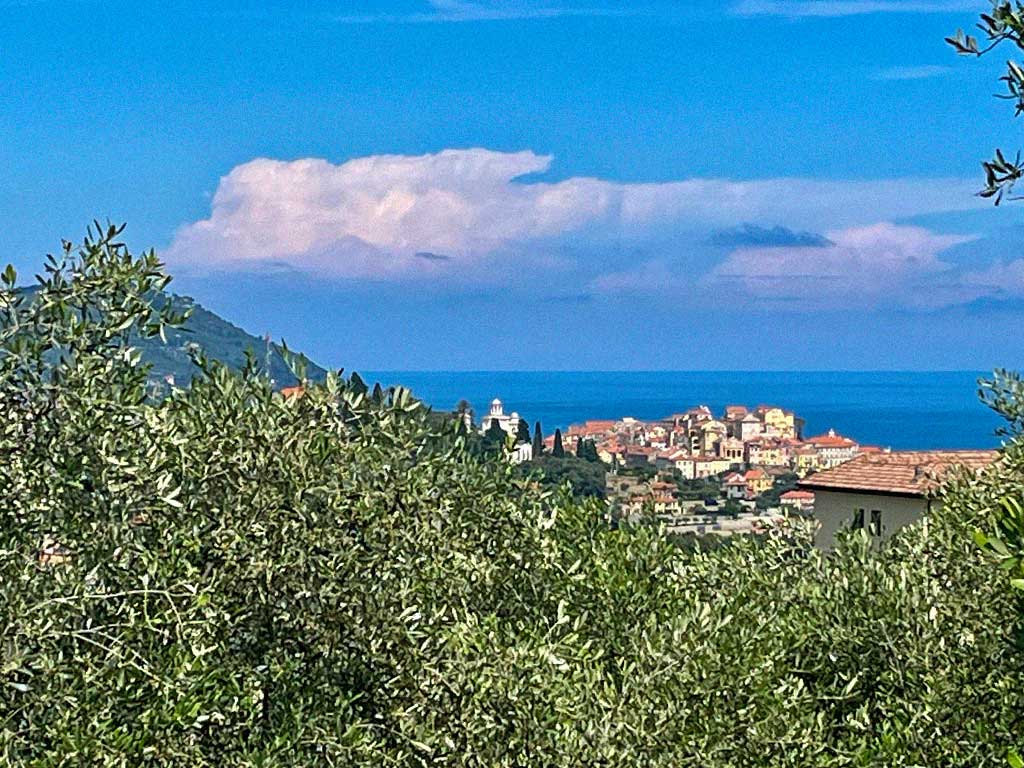
Olive-trees

Look-up-to-the-olive-hai

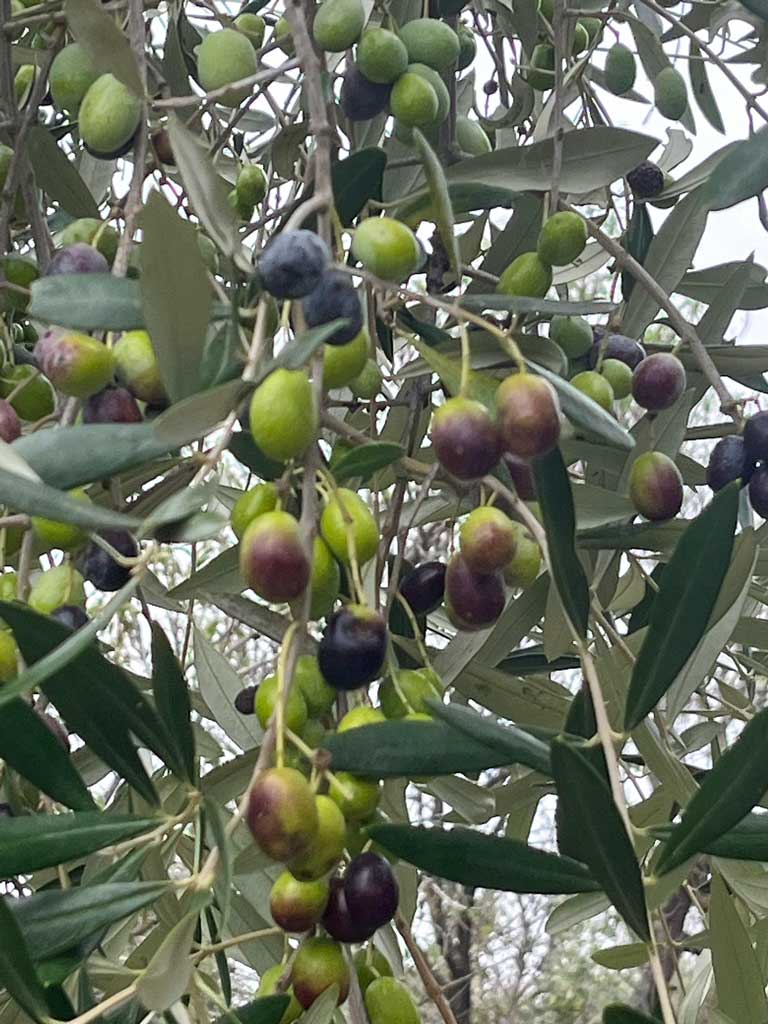
Even when we first arrived in our Italian village, we noticed that there were olive trees on the hillsides lining the winding road up and everywhere you looked. Here in western Liguria, olives are really grown in abundance. And they are not just any olives, but a famous variety called Oliva Taggiasca, which today boasts a protected designation of origin – Denominazione di origine prottteta, or D.O.P. Riviera Ligure.

And why are they so famous? Well, because the best Italian chefs (and probably not only Italian ones 😊) use them in their dishes, but also in the form of olive oil.
They are sweet but not too sweet, salty but just right, slightly bitter and absolutely perfect in taste.
A couple of days ago I deliberately looked at the responses to a post recommending olives as an afternoon snack for their high content of health-promoting unsaturated fatty acids and vitamins K, A, E and D on which olives Italian readers prefer and 80% of the responses mentioned taggiasche 😊.
At first glance, you might not be convinced of the extraordinary quality of Olive Taggiasche, because as far as I can remember, I used to consider the size of the olives as a sign of quality, the bigger the better.
Olive Taggiasche, on the other hand, are small (which is the way it should be 😊), their colour ranges from green to dark purple to black (green and purple are the same variety) and they are characterized by a sweet aroma, delicate taste and a balance between sweetness, saltiness and slight bitterness. In the kitchen, they are absolutely versatile. They are used both raw and for pickling in brine or olive brine and, of course, to produce high quality extra virgin olive oil.
The oil from these olives has a yellow-green colour and a sweet, pleasantly fruity aroma with hints of almond, which is its main characteristic of the expert descriptions of the tasters and what makes it stand out above many other olive varieties.
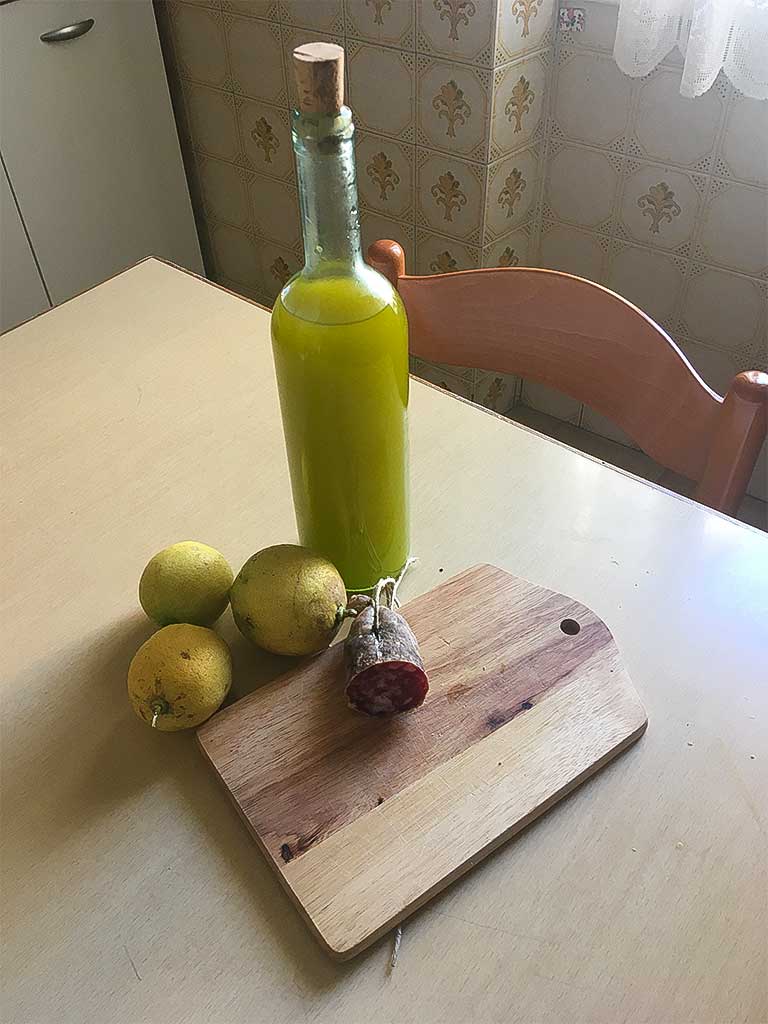
All our neighbours in Italy grow olives and, of course, produce oil from them. They also like to show it off and we got a bottle shortly after our arrival as a gift from our neighbours. The bottle impressed us not only with its colour and density, but also with its taste. Tell me, how often do you get to taste the oil the day after it has been pressed? 😊
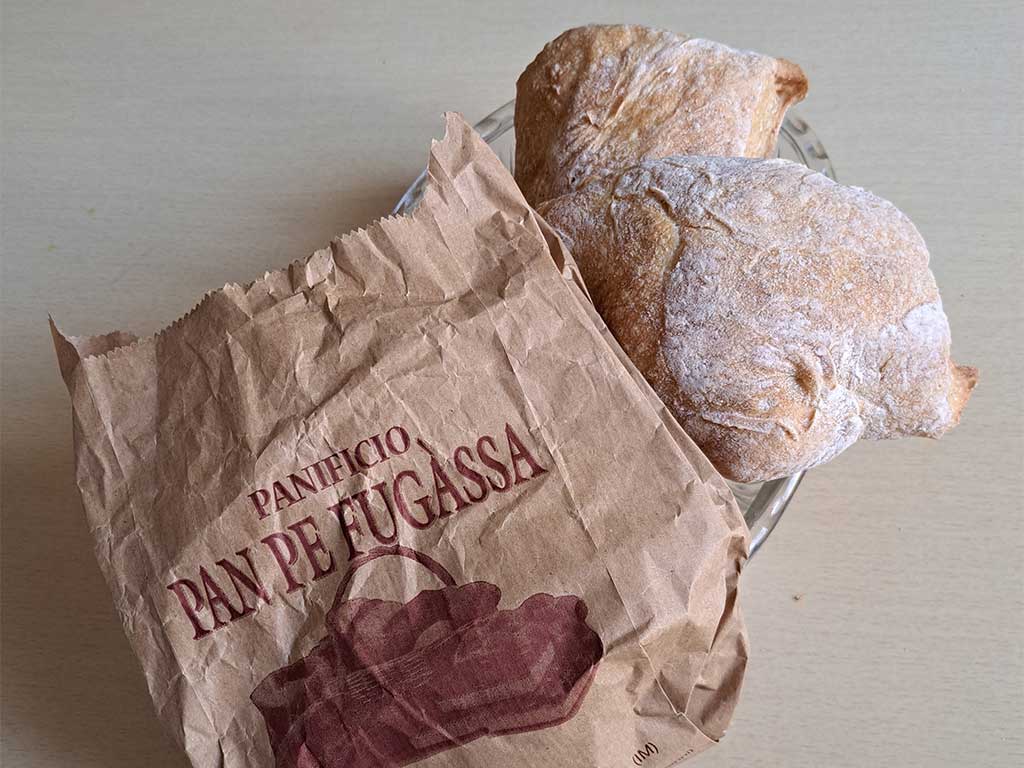
We couldn’t stop dipping the white bread, called “rustico”, that we buy at the local shop in our village in that delicious yellow-green liquid! And we continue to do so, and we have come to understand why they practically don’t use butter on bread here in Liguria. Instead, they drizzle olive oil under the ham and tomato on the bread.
Zatisi-with-oil
Mr.
Here-we-are-beautifully-coloured
And because we thought it was original, everyone brings wine from the southern regions, we brought bottles as gifts for our friends.
We got a bit of a rush because now we have to carry canisters as practically everyone is clamoring for more 😊.
It remains to mention that although olive taggiasche is known as a typically Italian, more precisely Ligurian, product, it is said that the variety was originally grown in the abbey of Lerins (those are the islands opposite Cannes in France) and was brought to Italy by the monks of St Columbanus at the turn of the 7th and 8th centuries. They built a monastery in what is now Liguria, in Valle Argentina, and brought the cultivation of this olive variety to the area of Taggia, about 10 km away, where they found ideal conditions for it. It was from Taggia that the variety was named Oliva Taggiasca and, because it has been grown there for a long time and is thriving there, it is Liguria that is considered to be its cradle.
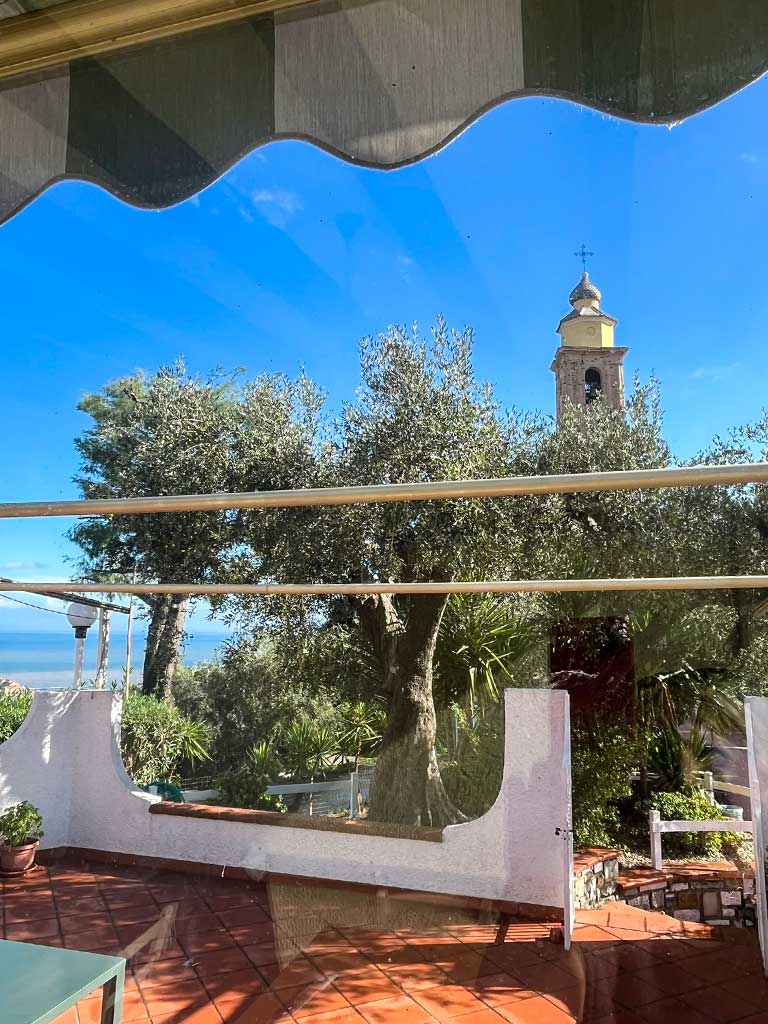
View-from-our-bar
Taggiasca-cookout-in-our-truck

This-is-how-we-sell
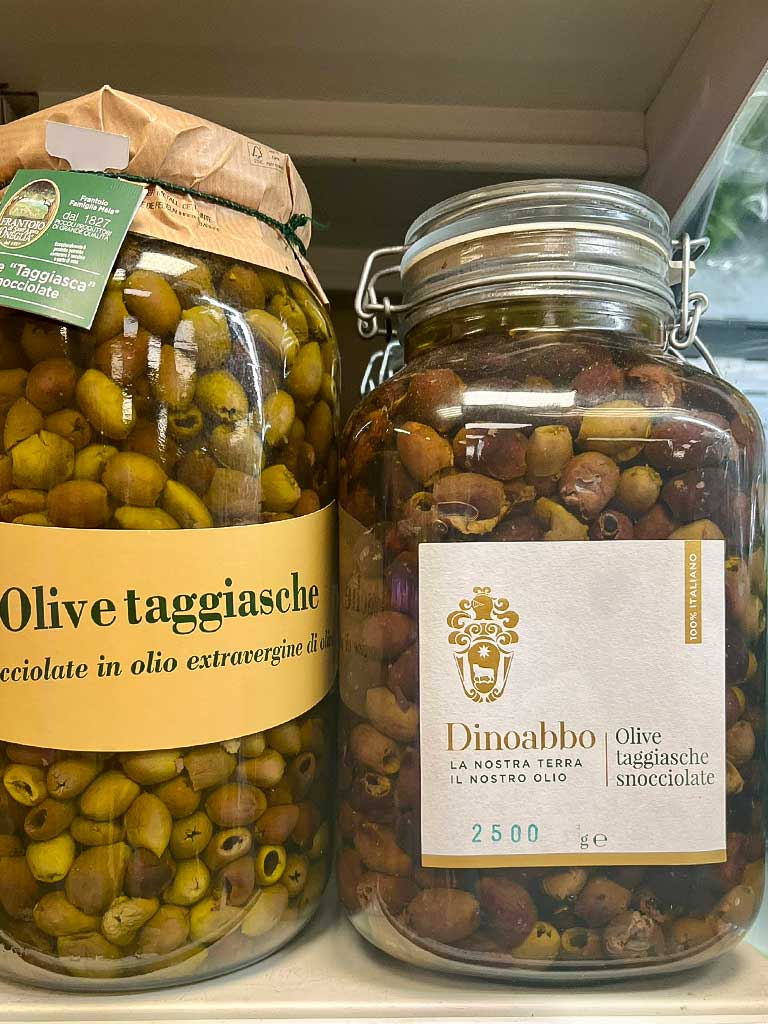
Olive taggiasche are also grown elsewhere in Italy, but most of all in our province of Imperia, where the soil is supposedly balanced (I find it dry as tinder, but that’s what olives need😊), the climate is friendly to olives (we can confirm that, it is also friendly to us😊) and there is plenty of sunlight. Maybe because the area of today’s olive groves was once flooded by the sea and the soil is therefore specific, for example because even today you can find the remains of shells of marine animals (as I learned from a local expert).
But how it all comes together again, the delicious Italian olives that originally grew here thanks to the French monks😊 and the ideal conditions and climate that brought us to these parts😊.
So to be fair, I have to give points to both the French (thank the monks of Lérins) and the Italians (all those who grow tagiasche)! 😊
You will learn about how olive oil is grown, combed and produced in the next episode 😊.